
Books
The Sandalwood Horse Stories
Original picture books written by Gunjan Goel and her mother, Latesh Goel, and illustrated by Gunjan’s daughter, Sofie. Each one is a story about courage, kindness, and respect for every creature, big and small.
- Ages 2 to 7
- Paperback and Kindle
- Each book stands on its own
 (opens in a new tab)
For ages 3 to 7
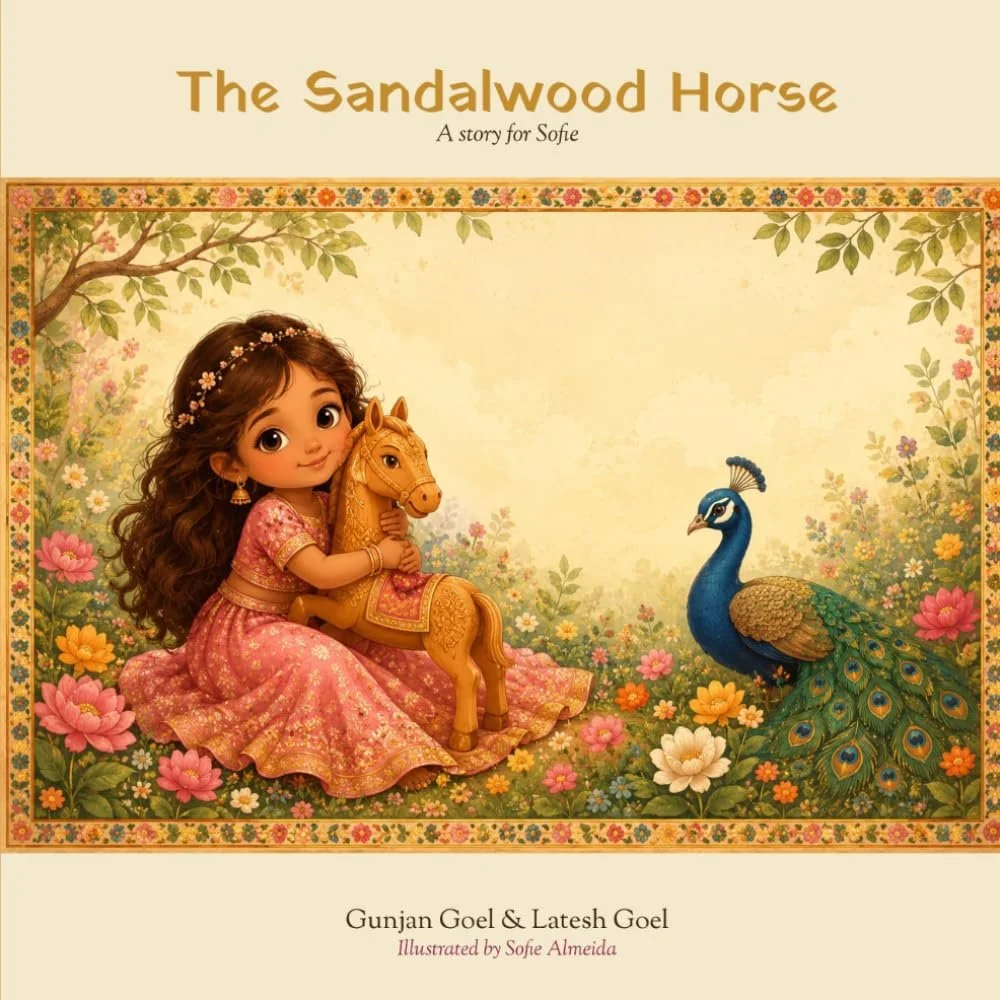
The Sandalwood Horse
A brave little girl. Seven lost brothers. And one small word that opens every heart.
Long ago, Sofie wished for a little horse carved from sweet sandalwood. To find it, her seven brothers walked into the forest one by one. None of them came back.
So Sofie set out alone. She was scared. But her love was bigger than her fear.
Along the way she meets a tiny ant, a forest mouse, a winged elephant, and a great tree wrapped in pythons. To each one, big or small, she bows her head and says the same gentle word: Namaste. And that one word changes everything.
Be strong enough to be gentle.
A warm read-aloud about courage, kindness, and the bond between a sister and her brothers.
(opens in a new tab)
For ages 2 to 6
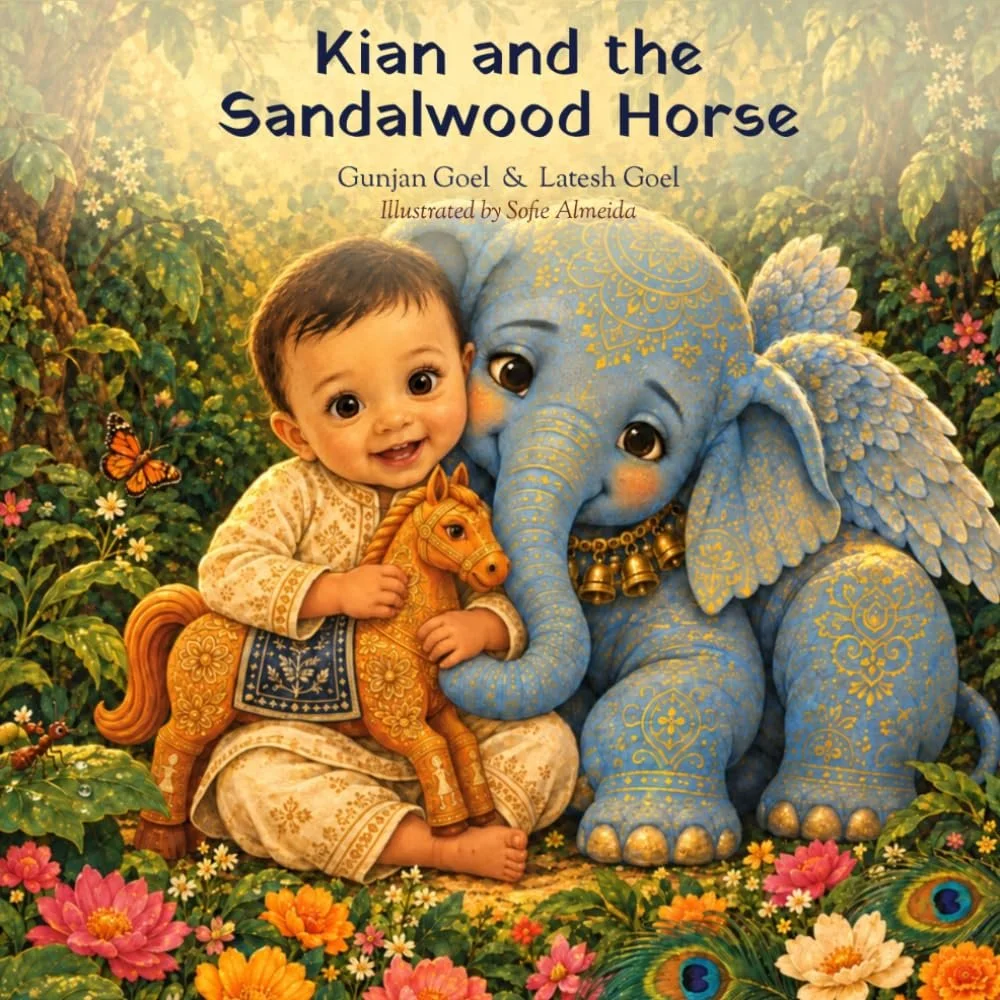
Kian and the Sandalwood Horse
A little boy, a lost horse, and the quiet courage to be kind.
Kian’s little sandalwood horse is missing. He is small and the forest is big, and he walks in to look for it.
On the way he meets an ant who can find anything, a butterfly who sees the whole path from above, and an elephant stuck fast who needs a hand. At the end of the path is a python far bigger than Kian, with a thorn in his side and the horse resting safe beside him.
Gentle hands. Brave heart.
A rhyming read-aloud, painted in the colors of Indian folk art. Every animal Kian helps in the first half of the book turns out to be the one who can help him in the second.
One small word
Namaste
The Sandalwood Horse ends with a page that teaches a child how to say it. Palms open. Palms together. Head bowed, just a little. Then the word, out loud.
It means: I bow to you. You matter. Even if you are very big. Even if you are very small.
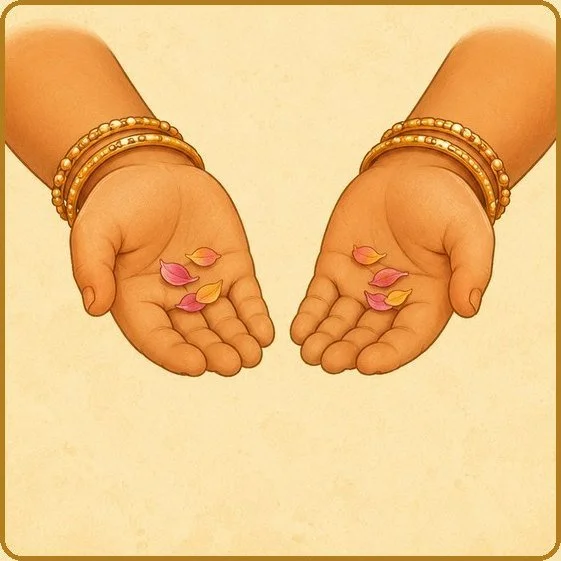 Palms open
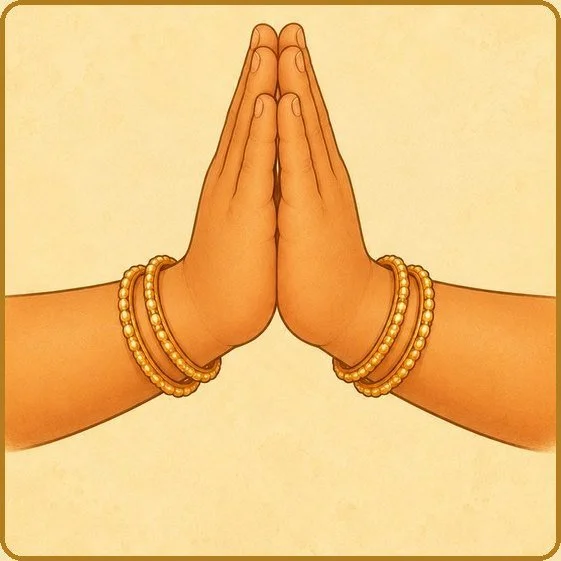 Palms together
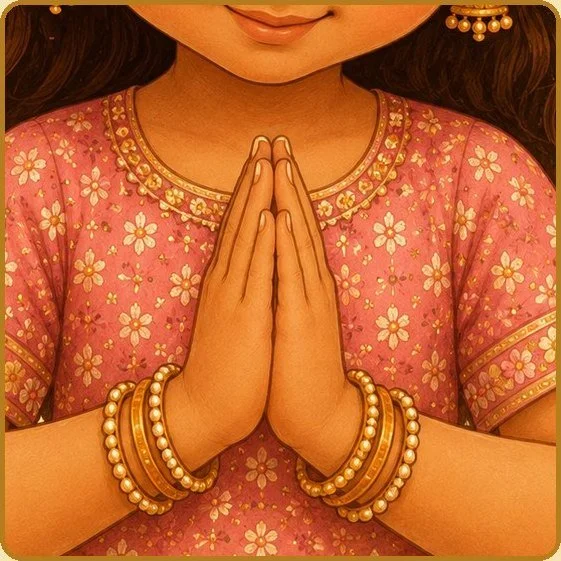 Head bowed, then say it out loud
At the back of Kian’s book
Gentle hands. Brave heart.
At the back of the book, children can practice the same idea Kian learns in the story: small hands can be strong, careful, and brave.
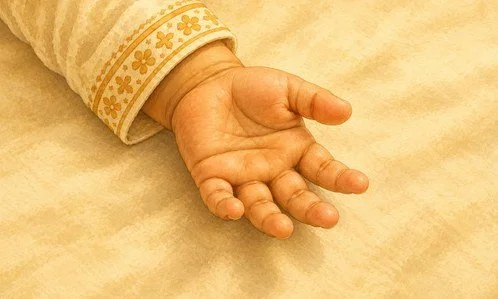 Open your hand
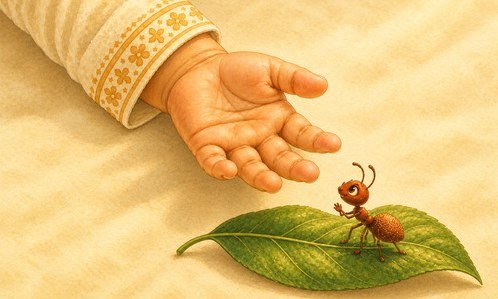 Wait and look
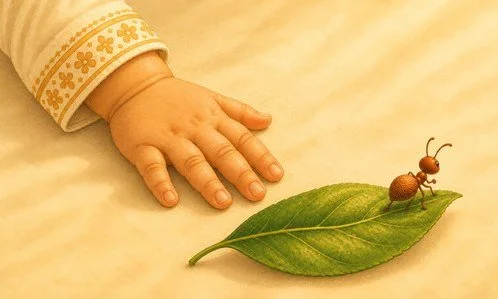 Let the small one go
Kian’s friends along the way
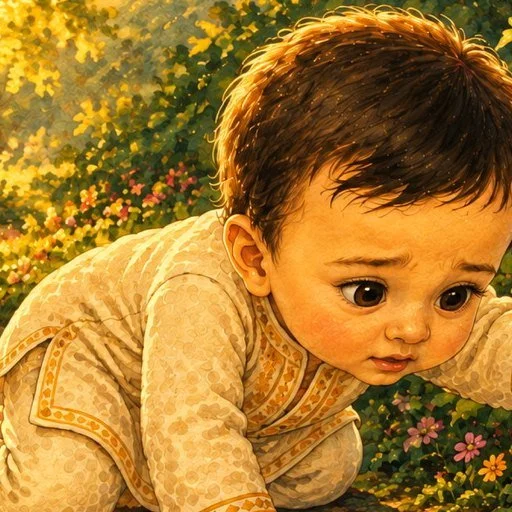 Kian
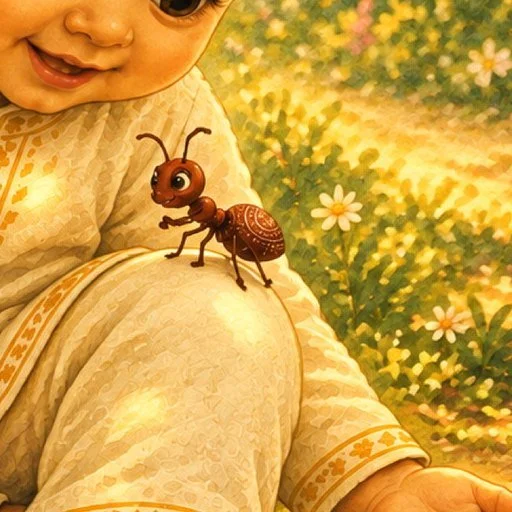 Chiti the ant
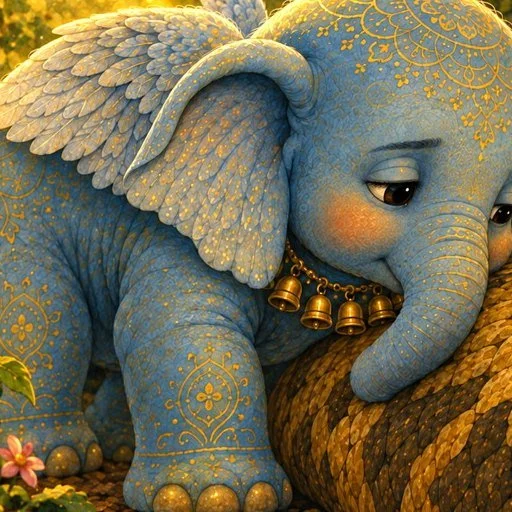 Indravat the elephant
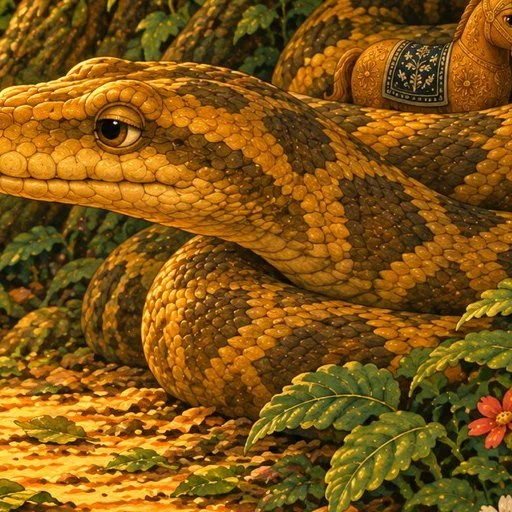 The python
The art on the horse
Six Indian art traditions
Six living art traditions are painted and set into the sandalwood horse himself. All six are still being made today, by women in Mithila, by Adivasi families in the hills, and by the metalworkers of Bidar and Udaipur. Five of them are protected by name under India’s Geographical Indication law. Putting them in front of children who have never seen them, and showing them to the whole world, is a large part of why these books exist.
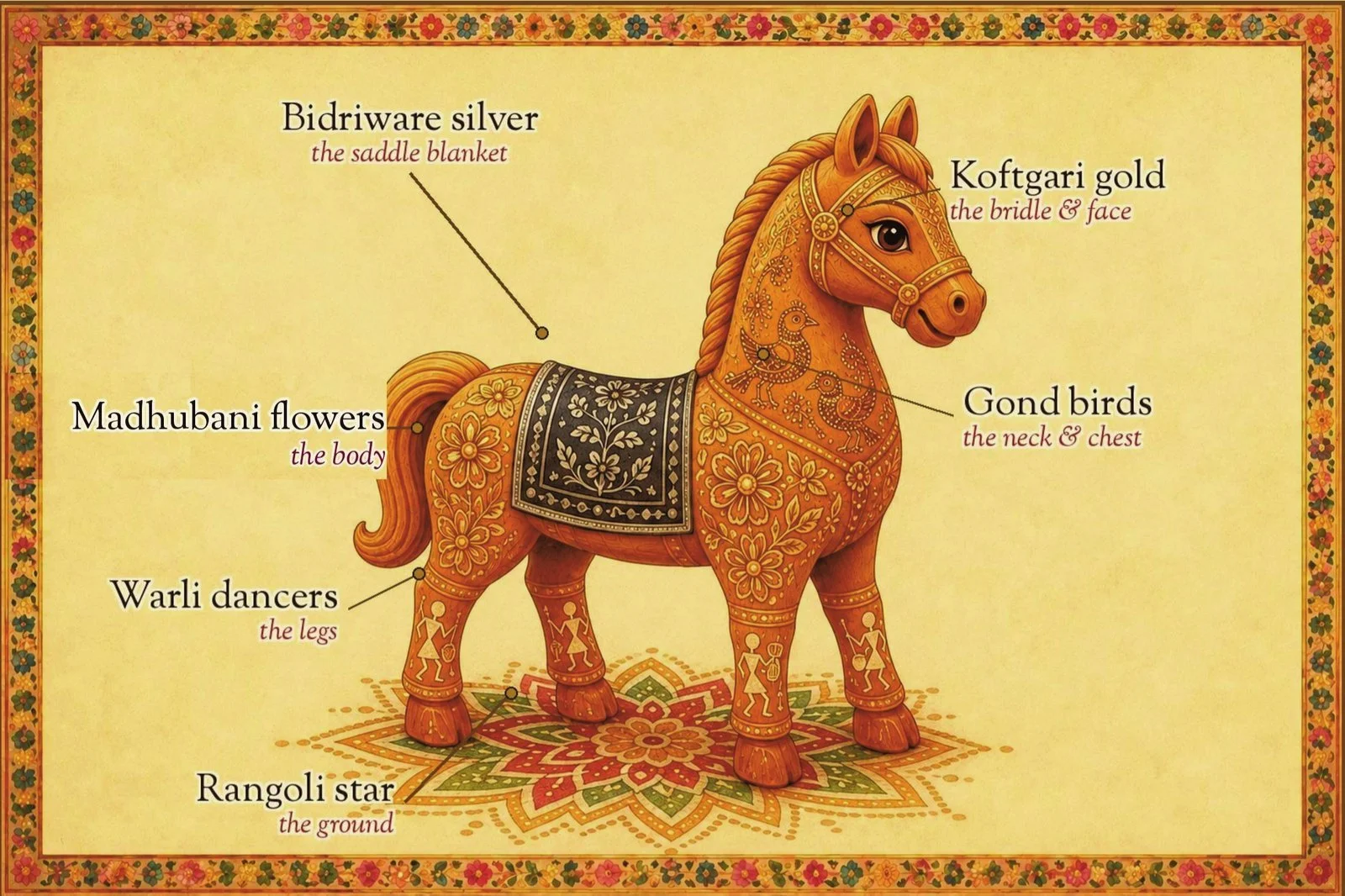
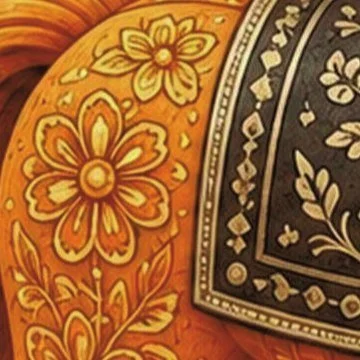
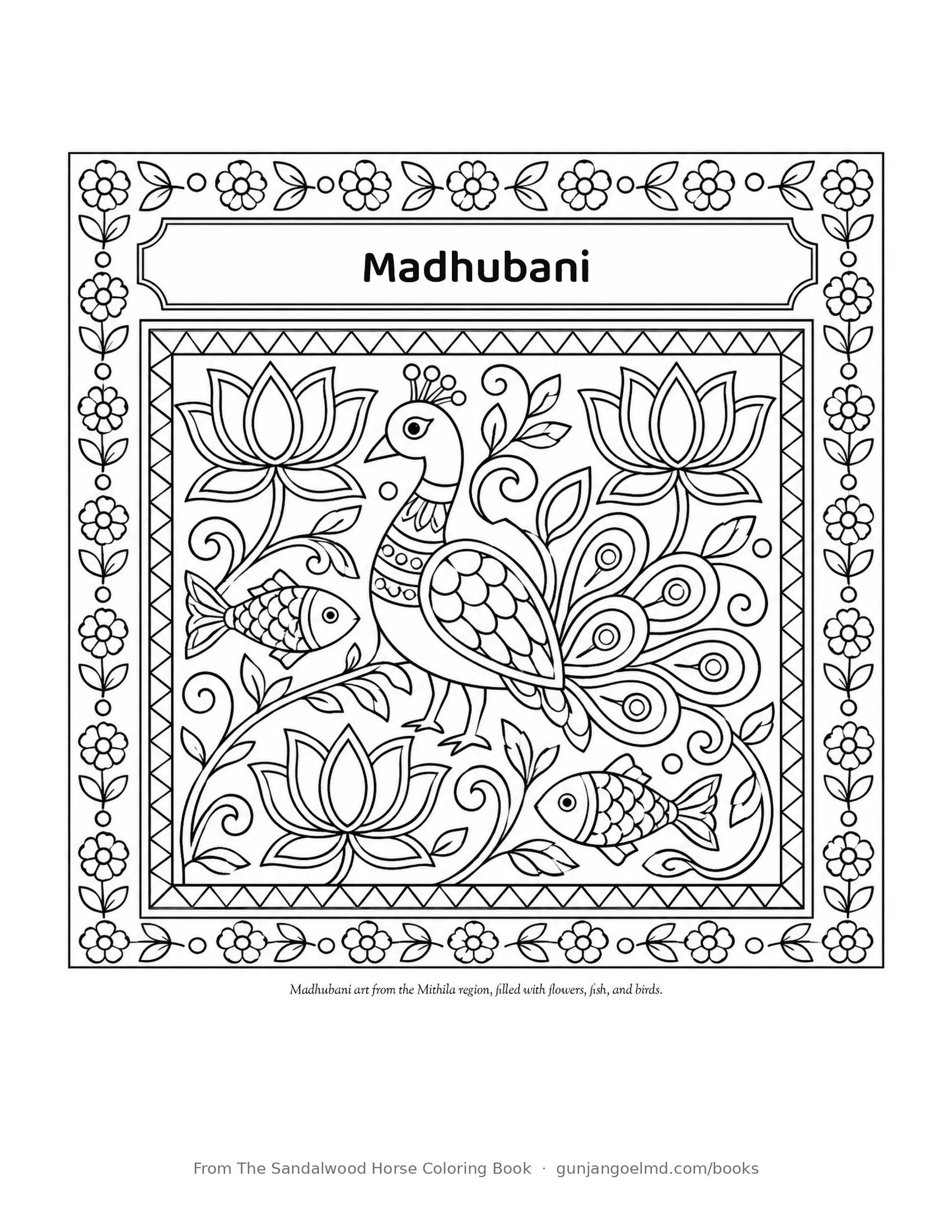
Madhubani
Mithila, Bihar
Flowers and patterns painted by women on the walls of their own houses.
Geographical Indication since 2007
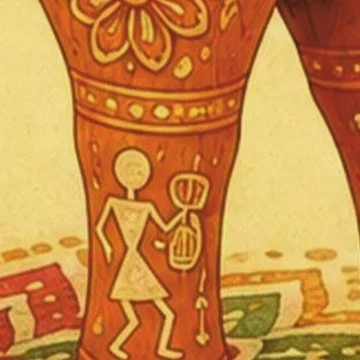
Warli
Sahyadri hills, Maharashtra
Figures drawn by Adivasi women for weddings.
Geographical Indication since 2011
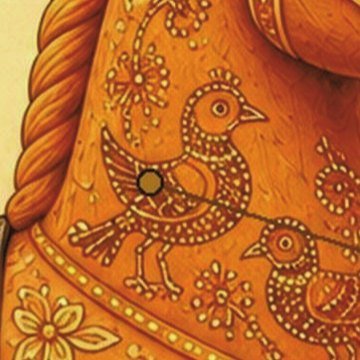
Gond
Madhya Pradesh
Patterning built out of lines of colored dots.
Geographical Indication since 2023
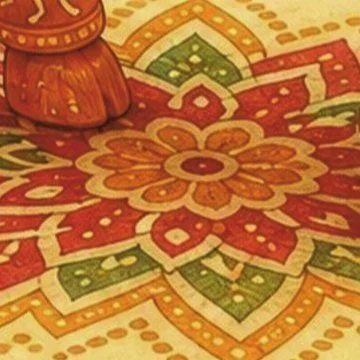
Rangoli
All across India
Patterns laid fresh on the doorstep every morning.
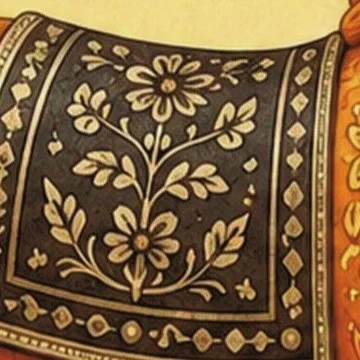
Bidriware
Bidar, Karnataka
Silver set into metal blackened with soil from inside the fort.
Geographical Indication since 2006
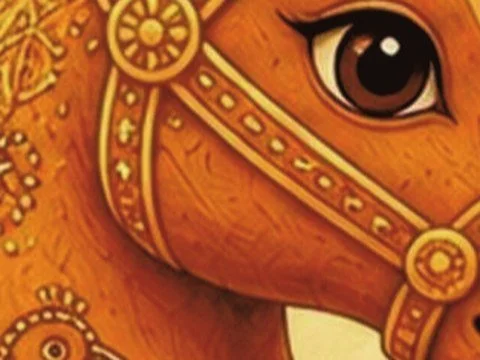
Koftgari
Udaipur, Rajasthan
Gold hammered into steel by the armorers of Udaipur. You will find it on the horse’s bridle.
Geographical Indication for Udaipur
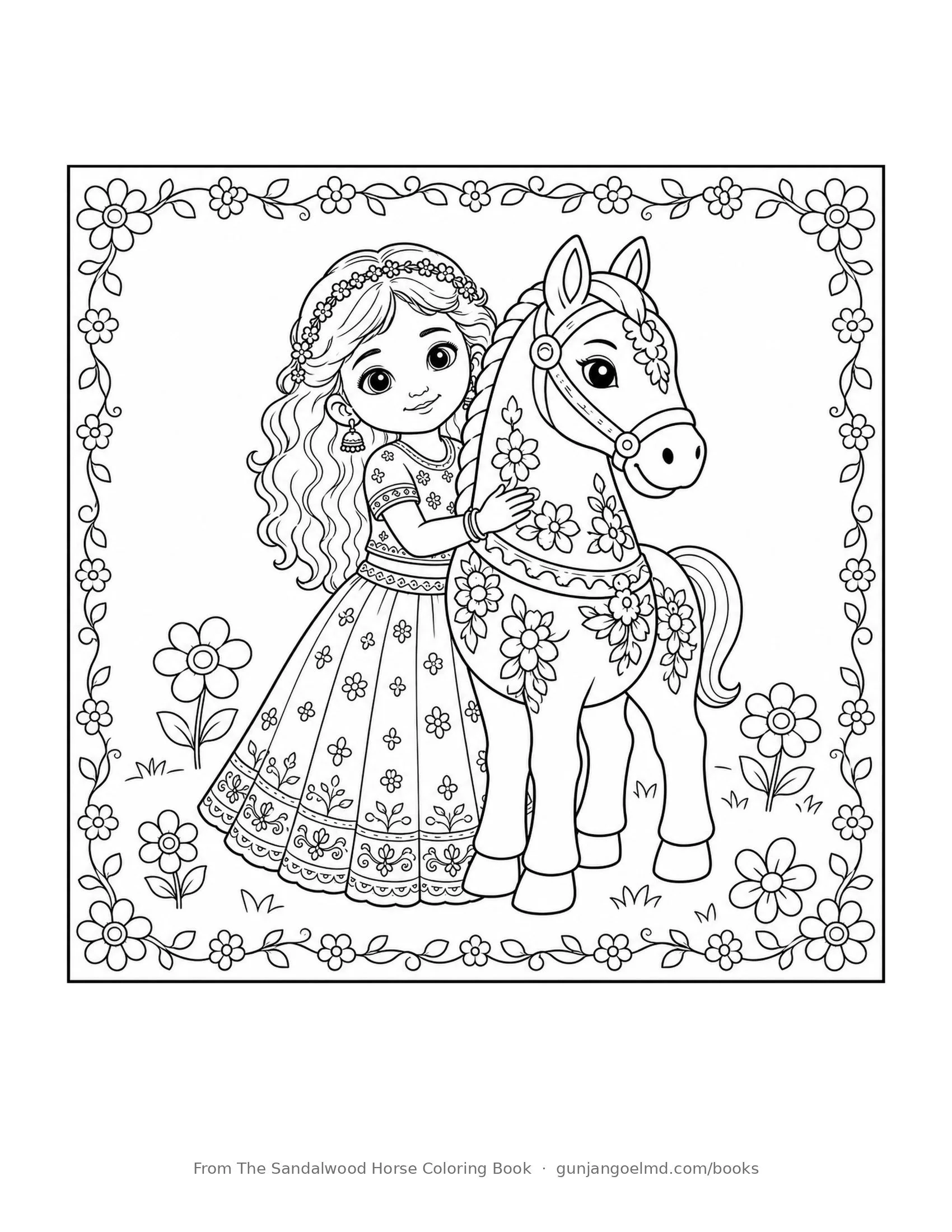
Free to print
Coloring pages
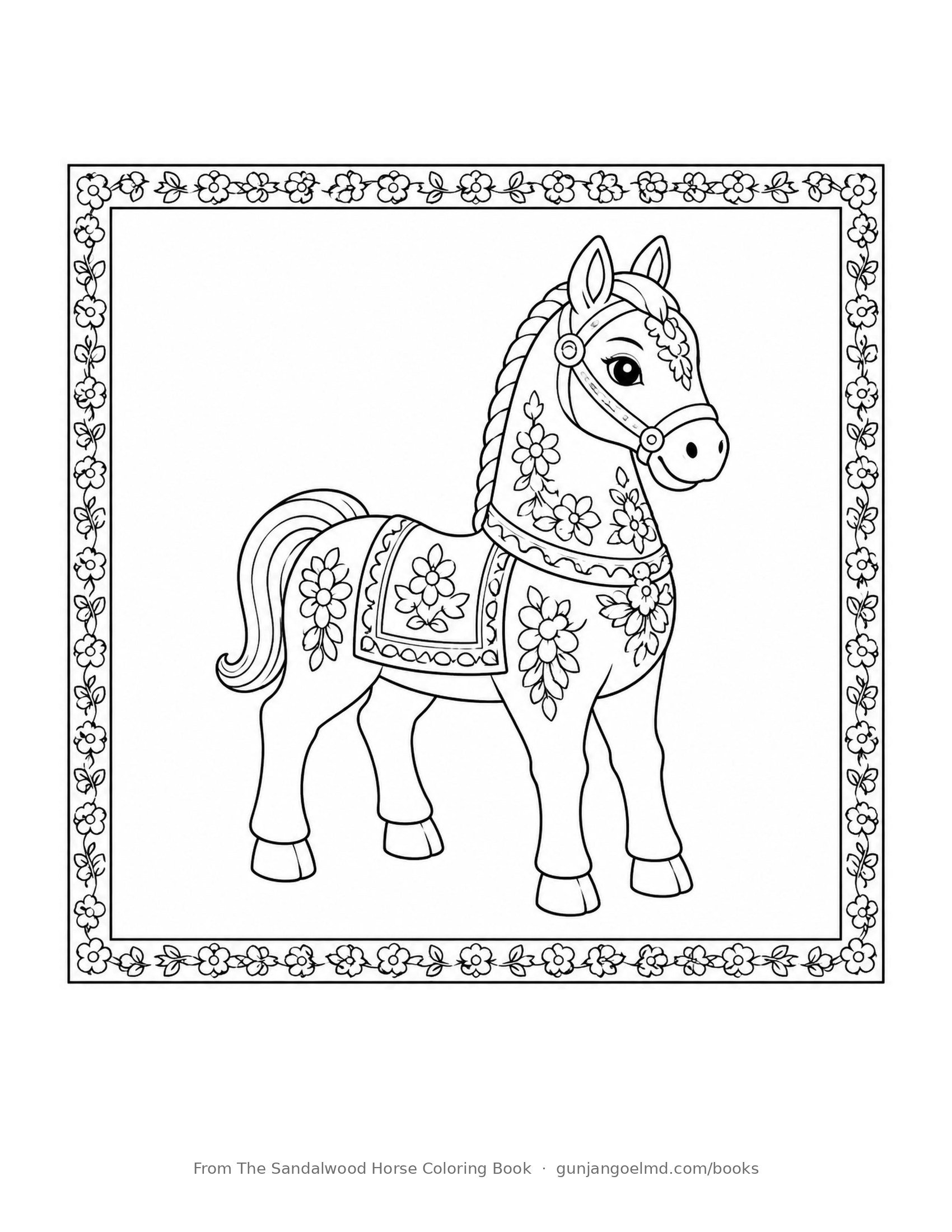
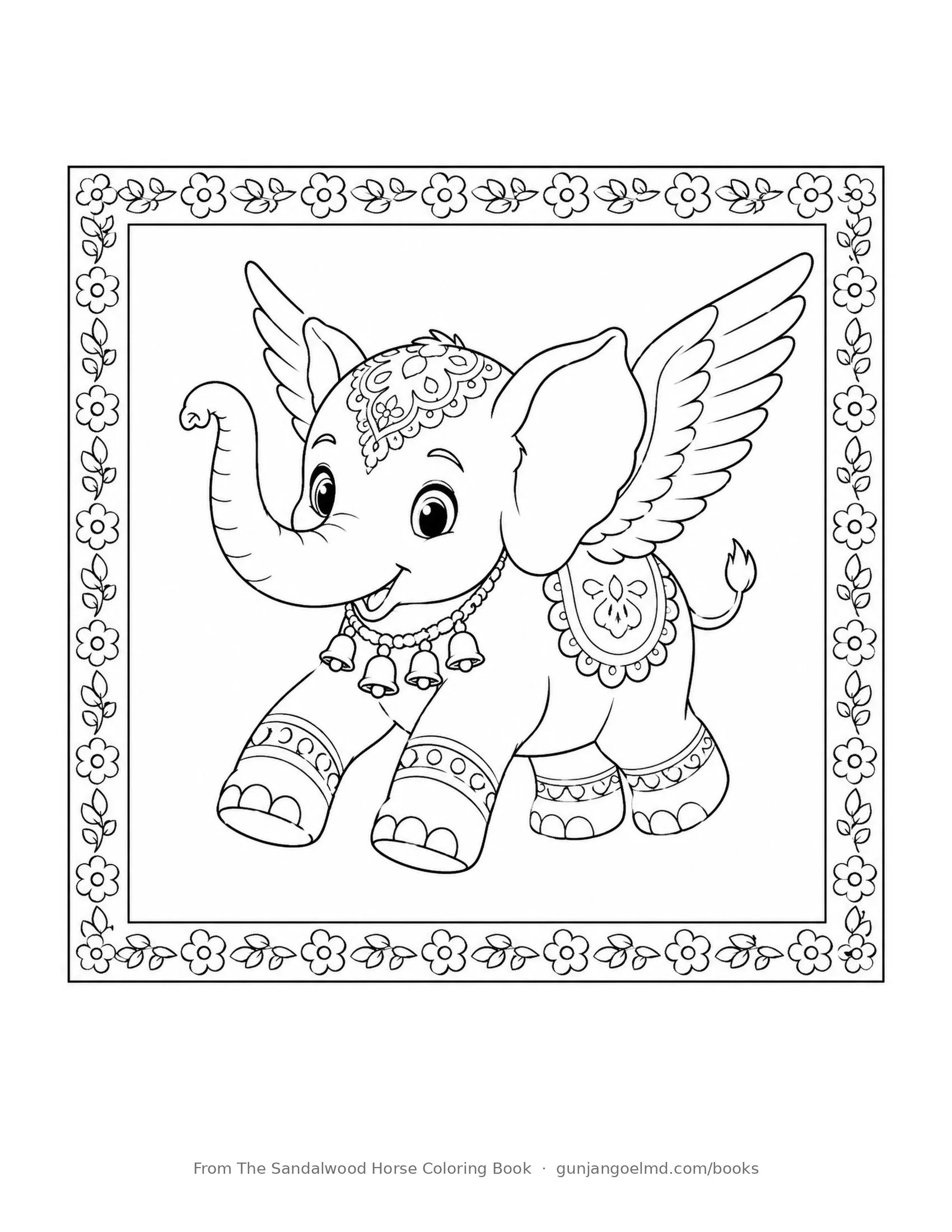
Four pages from The Sandalwood Horse Coloring Book, sized for letter paper. Open a page, then print it.
For teachers and librarians
Classroom guides
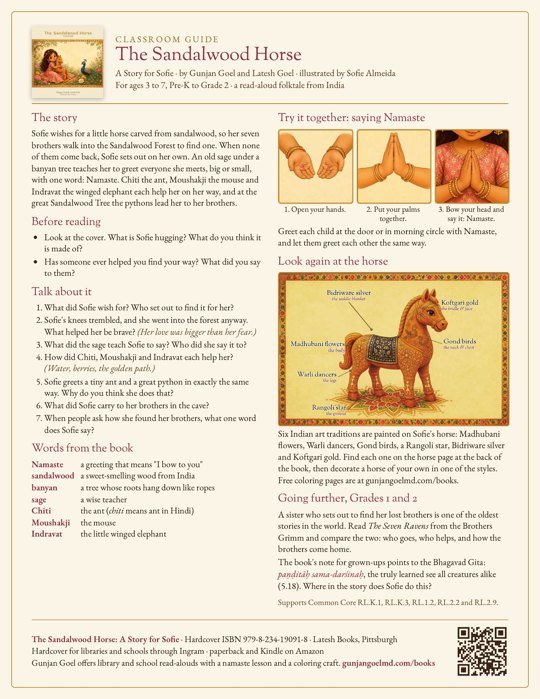
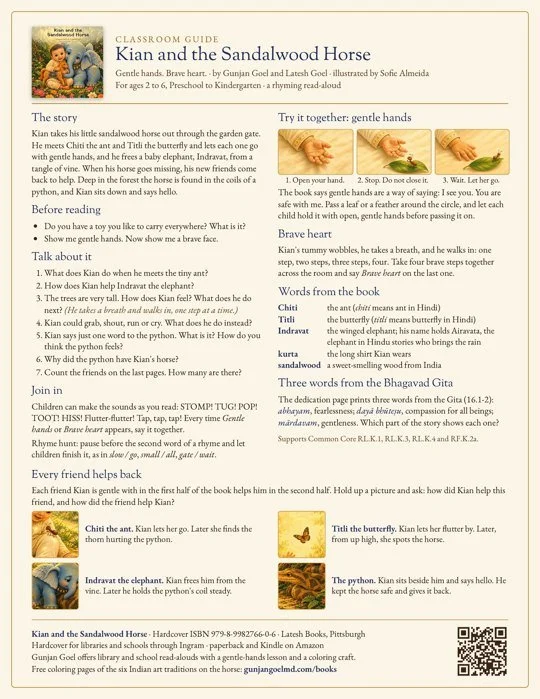
A one-page guide for each book, with discussion questions, a hands-on activity from the back of the book, and words from the story. Each guide opens as a PDF, ready to print on letter paper.
Three generations
About the authors and the illustrator
The Sandalwood Horse was invented at bedtime, under pressure, with a child waiting.
It is about a small girl who walks into the forest alone to find her seven missing brothers, and who gives the same bow of the head to the ant on a leaf and to the great python coiled at the roots of the tree. Namaste, to the smallest and to the largest, in exactly the same way. She is frightened the entire time. She goes anyway.
That is the part Gunjan Goel most wanted her daughter to have. It is also how surgeons work. You hold real respect for the body, for the patient in front of you and for what they want for themselves, and you are quietly afraid the whole time of causing harm you never meant. You go in regardless, carefully.
Author
Gunjan Goel
Gunjan Goel is a neurosurgeon, which means she spends her days being very serious, and the mother of a six-year-old and a one-year-old, which means she does not get to stay that way for long.
She was born in England, trained in neurosurgery at UC San Diego and in skull base surgery at Weill Cornell, and practices at UPMC in Pittsburgh, where she lives with her husband, also a neurosurgeon, and their two children.
She wrote the books with her own mother, Latesh Goel, across nine and a half time zones, one page at a time.
Author
Latesh Goel
Latesh Goel has been saying the things in these books for fifty years, in the small phrases she has always had ready: that the tree bearing the most fruit bows the lowest, and that we bow to every creature in our path, big or small, treading gently through this life. The books are those sayings with a story around them.
She has read the Bhagavad Gita since she was a little girl, and she has always passed its teachings on the way she received them, inside a story. First to her daughter, now to her granddaughter.
She is an obstetrician in Delhi and has spent a working life bringing children into the world with careful hands. Sofie calls her Nani.
Illustrator
Sofie Almeida
The pictures are by Gunjan’s daughter Sofie, age six, who served as art director and gave an AI drawing tool very specific instructions.
Sofie is the reason any of this happened, and she is the girl in the story. She had been painting for hours at a stretch since she was small enough to need help holding the brush, so there was never any question who would make the pictures. The sandalwood horse looks the way it does because she decided it should.
She worked in six Indian art traditions, including Madhubani flowers, Warli figures, Gond patterning and Koftgari gold on the bridle. These are living traditions, carried for centuries by village women and by Adivasi families, and showing them to the whole world is part of why the books were made.
Sofie loves her Nani, and has learned to do yoga with her and to chant Om. She loves her baby brother Kian, who she is quite certain is the best baby in the world. Asked which of them she loves most, she says both.
“The tree bearing the most fruit bows the lowest.”One of Latesh Goel’s sayings
Questions and answers
About the books
What is The Sandalwood Horse about?
A little girl named Sofie walks alone into the forest to find her seven lost brothers. She greets every creature she meets, from a tiny ant to a great python, with one word: Namaste. It is a story about courage, kindness, and the bond between a sister and her brothers.
What is Kian and the Sandalwood Horse about?
Kian's little sandalwood horse goes missing, so he walks into the big forest to look for it. On the way he helps an ant, a butterfly and a baby elephant, and each of them helps him in return when he finds his horse with a python. It is a rhyming read-aloud about gentle hands and a brave heart.
What ages are the books for?
The Sandalwood Horse is for ages 3 to 7, Pre-K to Grade 2. Kian and the Sandalwood Horse is for ages 2 to 6.
Who wrote and illustrated the books?
Gunjan Goel, a neurosurgeon in Pittsburgh, wrote both books with her mother, Latesh Goel, an obstetrician in Delhi. Gunjan's daughter, Sofie Almeida, made the pictures by giving an AI drawing tool careful directions. The last page of each book shows how she did it.
Do the books need to be read in order?
No. Each book is a complete story. The same little sandalwood horse appears in both.
What Indian traditions are in the books?
Both books show six Indian art traditions on the horse: Madhubani, Warli, Gond, Rangoli, Bidriware and Koftgari. The Sandalwood Horse teaches children how to say Namaste. Kian's book carries three words from the Bhagavad Gita (16.1-2): abhayam, fearlessness; daya bhutesu, compassion for all beings; and mardavam, gentleness.
Where can I buy the books?
Paperback and Kindle editions are on Amazon. The hardcovers come out in November 2026, and any bookstore or library can order them through Ingram (ISBN 979-8-234-19091-8 and 979-8-9982766-0-6).
Are there free resources for teachers and families?
Yes. Free coloring pages and one-page classroom guides for both books are on this page. Gunjan Goel also does library and school read-alouds.
Read them together
Three generations, two books
Written by a mother and daughter across nine and a half time zones, and illustrated by a six-year-old. Both books are available in paperback and on Kindle.
Published by Latesh Books, named for Latesh Goel.